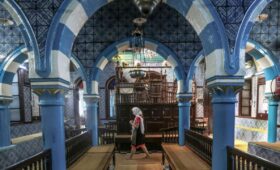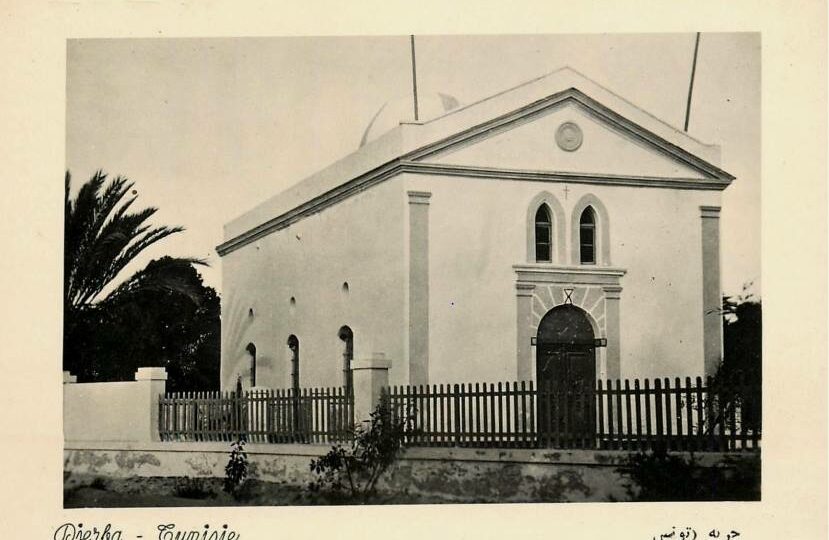
Djerba, this little paradise island in Tunisia, is much more than just a tourist destination. It is a true melting pot of cultural and ethnic diversity, where different communities have come together over the centuries. From Jewish influence to Muslim practices, from Christian traditions to Berber roots, let’s dive into the heart of this unique cultural mosaic.
Jewish heritage
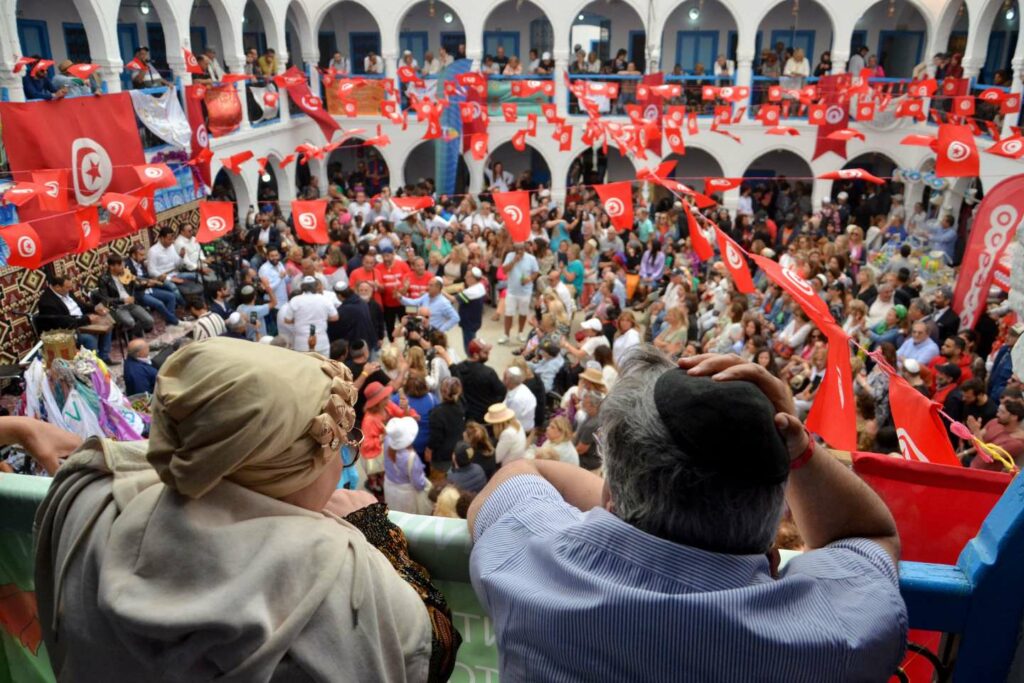
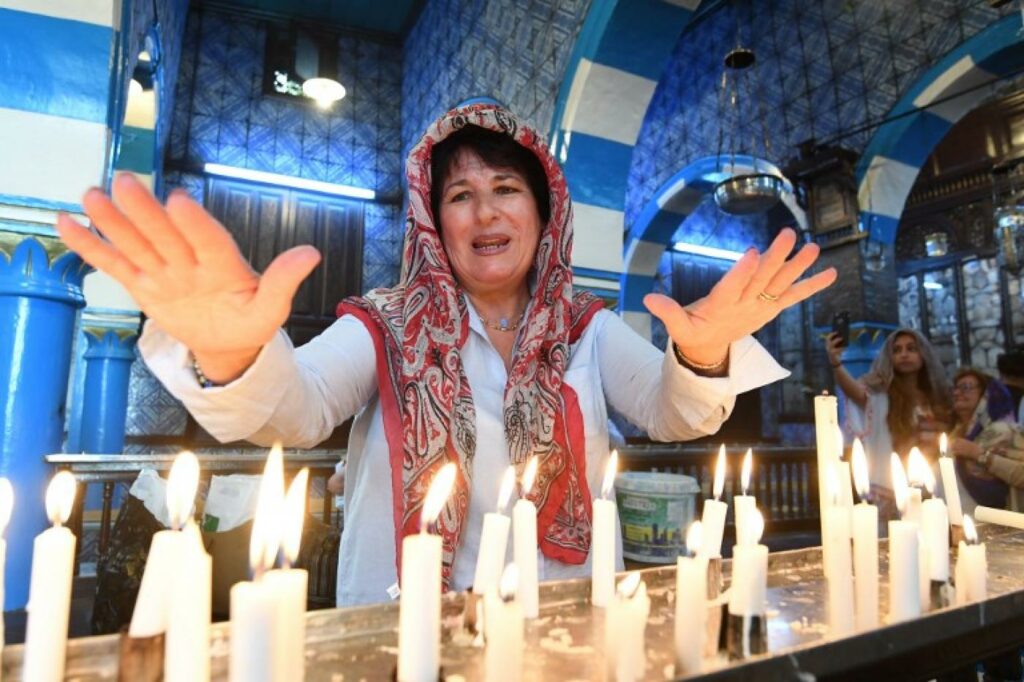
A centuries-old presence At the heart of Djerbian culture lies the Jewish influence, dating back several centuries. The synagogue of la Ghriba, a jewel of Djerbian Jewish history, is a place of pilgrimage and gathering for the Jewish community. Jewish traditions, festivities and ceremonies are deeply rooted in the daily life of Djerba, contributing to the cultural richness of the island.
Muslim diversity
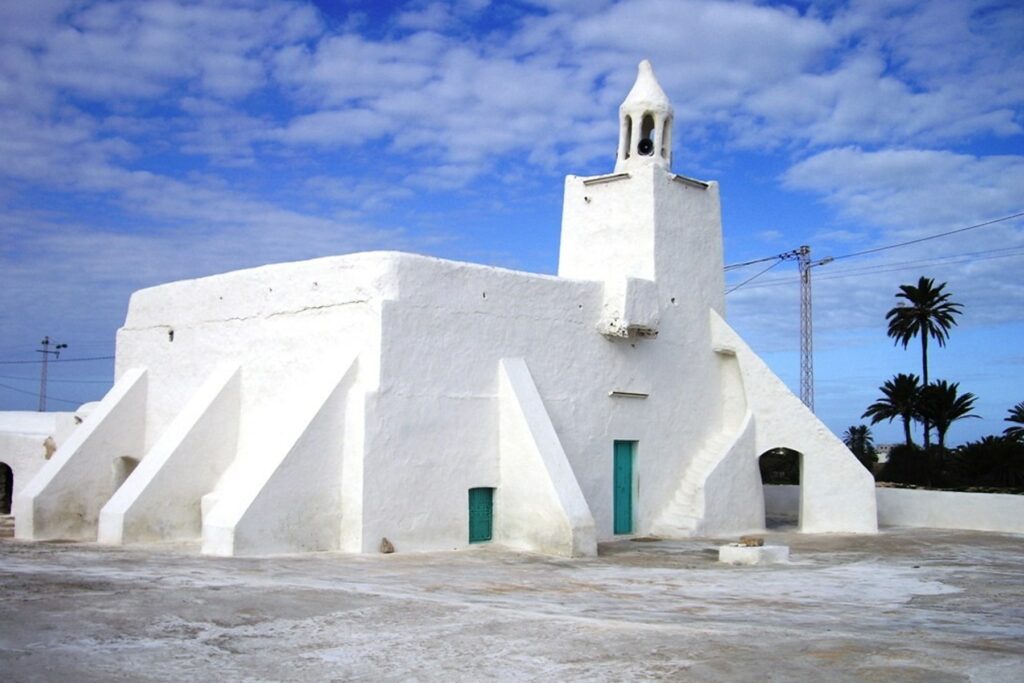
Between Ibadism and Malikism Djerba is also home to a diverse Muslim community. Ibadi Muslims, a little-known branch of Islam, are the guardians of a unique tradition. Their religious practicee is tinged with specific rituals, offering a fascinating insight into the richness of the faith rooted in the island. At the same time, the majority of the Muslim population of Djerba follows the Malikite school of Islam, practiced in many Maghreb countries.
Christians in Djerba
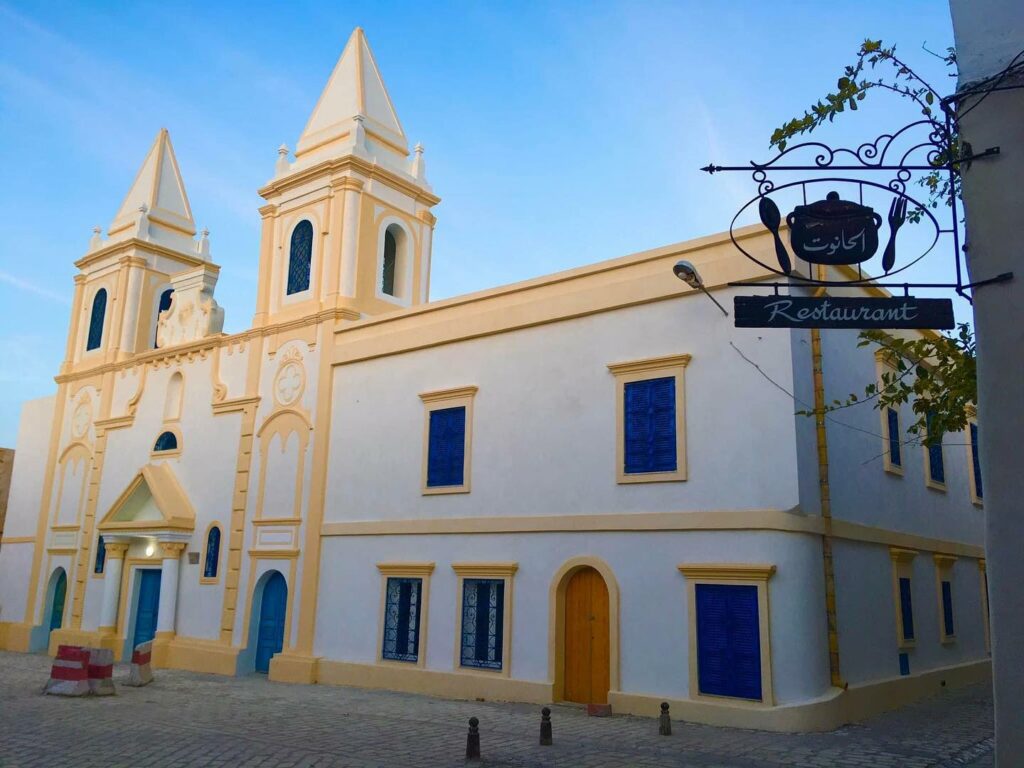
A discreet but significant presence Although less numerous, Christians have also found their place in Djerba. The Maltese and Greek Orthodox communities bring their valuable cultural heritages, strengthening the social and religious fabric of the island. Churches and Christian places of worship are testimonies of faith, where the faithful gather to celebrate their religious traditions.
The Berbers
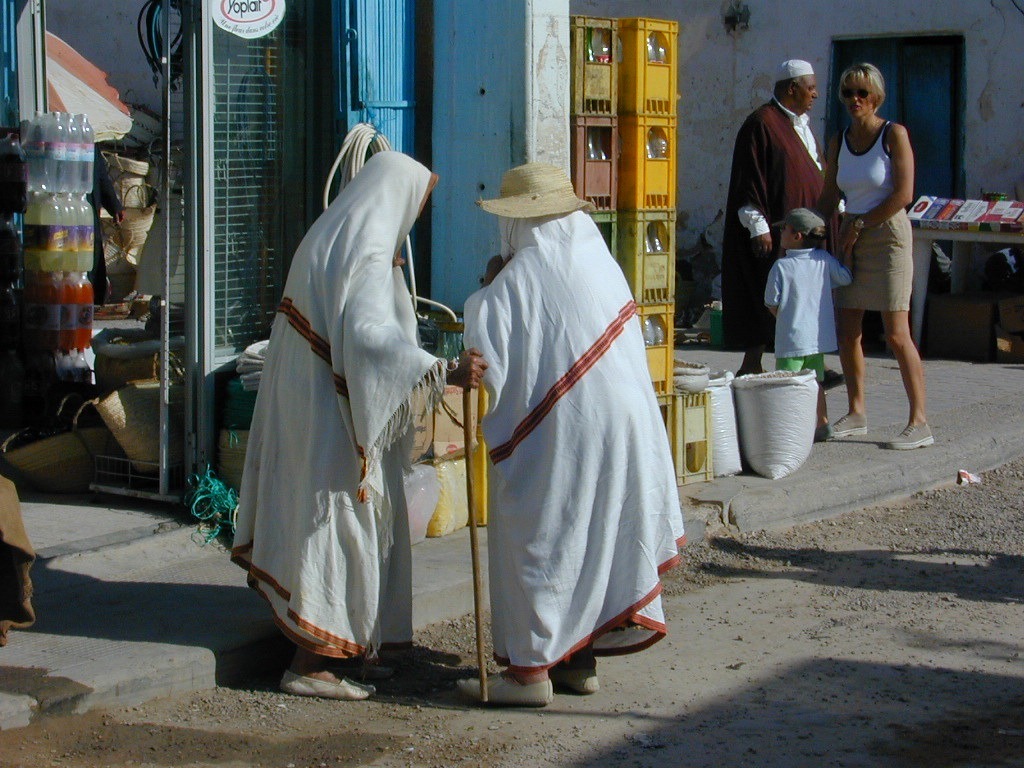
Guardians of ancestral traditions The Berbers, an indigenous people of North Africa, have been present in Djerba for centuries. The nomadic Berbers, whose customs and way of life are deeply rooted in nature, bring a unique dimension to Djerbian culture. The Amazighs and the Arab Berbers, with their plural identity, reinforce the ethnic diversity of the island. The Chlouh, for their part, are a specific Berber group that contributes to the cultural enrichment of Djerba.
Maltese and Italian influence Mediterranean contributions
Due to its geographical position in the Mediterranean, Djerba has also been influenced by the Maltese and Italian communities. The Maltese, who migrated to Djerba, brought with them their distinctive language, customs and cuisine. Today, it is still possible to discover vestiges of this Maltese presence through the architecture, family names and culinary traditions of the island.
In addition, the Italians have also contributed to the cultural diversity of Djerba. Over the centuries, Italians came to settle on the island, bringing with them their expertise in craftsmanship, particularly in shipbuilding and pottery. Today, their legacy lives on through the island’s crafts, such as traditional pottery and jewelry making.
Harmonious coexistence: The keys to diversity
What is remarkable in Djerba is the harmonious coexistence of different religious and ethnic communities. Despite their differences, the island’s inhabitants have managed to preserve their identity while embracing the cultural richness of their neighbors.
Religious festivities are a living example of this cultural diversity. Every year, Jews celebrate the festival of la Ghriba, attracting pilgrims from all over the world. Muslims, for their part, observe the rites of Ibadi and Maliki Islam, while respecting the Berber traditions which have been integrated into their religious practice. Christians Maltese and Greek Orthodox also celebrate their religious festivals, thus enriching the island’s festive calendar.
The impact on culture and traditions: A living legacy
This cultural mix has profoundly influenced the culture and the traditions of Djerba. The arts, architecture, music, cuisine and customs have all been enriched by these different influences. Traditional Djerbian houses, with their distinct architecture, bear witness to this mixture of styles and influences.
The gastronomy of Djerba is also an example of this cultural diversity. Local dishes combine Mediterranean, Berber and oriental flavors, creating a unique and delicious cuisine. Don’t miss out on tasting specialties such as couscous, bricks, lablabi, fresh fish and seafood, as well as traditional pastries.
In conclusion, the island of Djerba is a true cultural melting pot where different religious and ethnic communities coexist in harmony. This cultural diversity is reflected in all aspects of life in Djerba, from gastronomy to festive traditions. As you explore this fascinating island, you will discover a living heritage that testifies to the richness and beauty of Djerba’s cultural and ethnic diversity.
Djerba, a true cultural crossroads, invites us to explore a multitude of traditions and religious practices that coexist in perfect harmony. From Jewish diversity to Ibadi and Malikite Islam, including Christians, Berbers and Maltese and Italian influences, each community brings its richness to Djerbian culture. Beyond differences, Djerba is an inspiring example of peaceful coexistence and mutual respect, a place where identities intertwine to create a unique harmony in diversity.