Phoenician Origins — The Foundation
12th — 9th century BC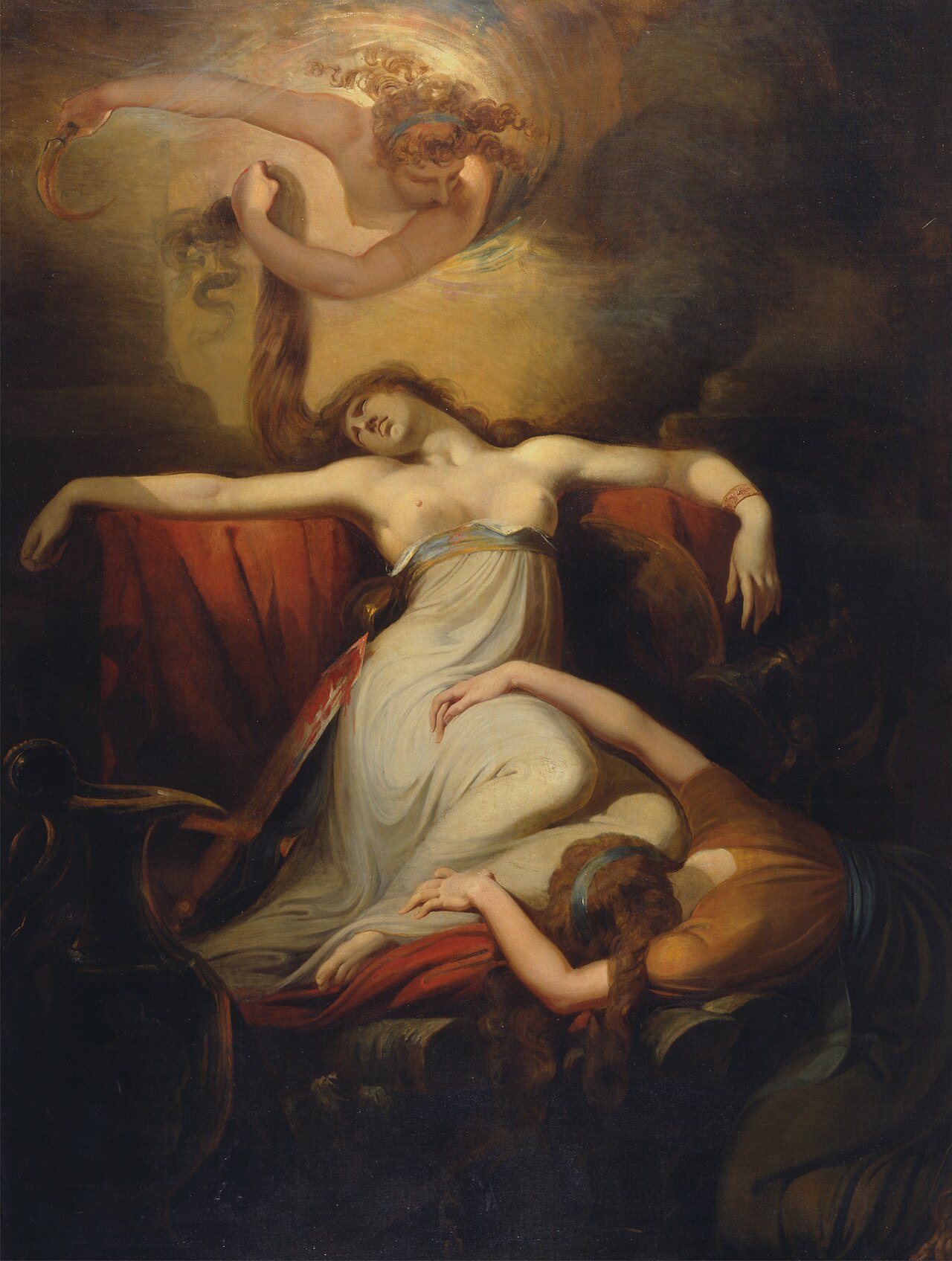
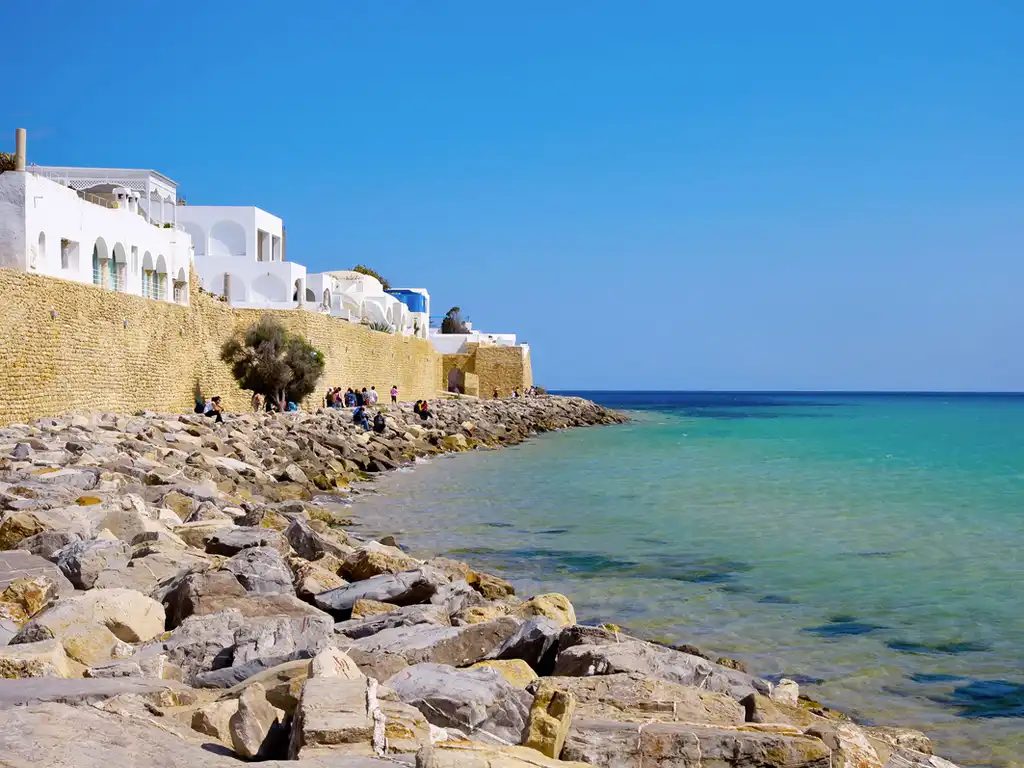
Carthage is a foundation of the Phoenicians from Tyre (present-day Lebanon), a Semitic seafaring merchant people who dominated Mediterranean trade in the 9th century BC. The name Carthage comes from the Phoenician 'Qart Hadasht' — the 'New City'. The traditional foundation date is 814 BC, 71 years before the founding of Rome (753 BC).
Timeline of Foundations
Founding of Utica by the Phoenicians
First Phoenician trading post in North Africa, 287 years before Carthage. Pliny the Elder gives this traditional date. Archaeological excavations confirm Phoenician occupations from the 10th century BC.
Legendary Founding of Carthage
According to tradition reported by Timaeus and later Virgil (Aeneid), Princess Elissa (Dido in Latin), daughter of King Mattan I of Tyre, flees her brother Pygmalion who had killed her husband. She settles on the Tunisian coast. The local king Iarbas allegedly offered her as much land as an ox hide could cover: Elissa cut the hide into thin strips and delimited the hill of Byrsa. Legend adds her suicide by fire after Aeneas's departure.
First Archaeological Settlement
Excavations confirm occupation from the second half of the 8th century BC. The tophet of Salammbô (sanctuary) has been in use since the 7th century BC. Carthage becomes the main Phoenician colony in North Africa.
Independence from Tyre
When Tyre falls to Nebuchadnezzar II (586-573 BC), Carthage becomes independent and inherits leadership of Western Phoenician cities. Birth of the Punic commercial empire.
Legendary Figures
Elissa / Dido
Founding Queen of Carthage. A character both historical (princess of Tyre) and mythical (tragic heroine of Virgil's Aeneid).
Pygmalion
King of Tyre (820-774 BC). Brother and murderer of Elissa's husband, at the origin of her flight.
Iarbas
Local Libyan King. According to legend, offered the 'ox hide' of land to Elissa.
Carthaginian Civilisation
6th — 3rd century BC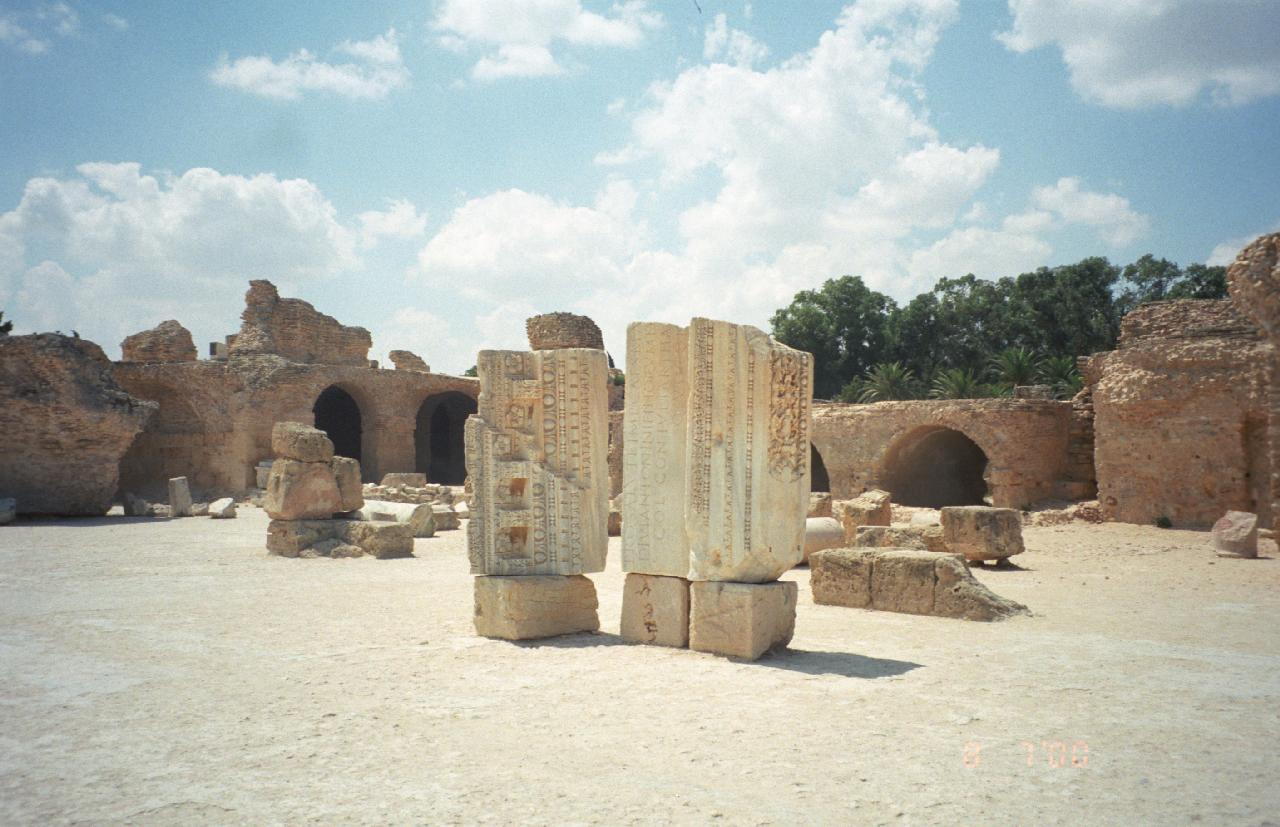
Carthage developed an original civilisation stemming from Phoenician foundations but shaped by the African environment, contact with local Berbers and Mediterranean trade. Hierarchical society, oligarchic republic, Semitic polytheistic religion, flourishing maritime economy.
Political System
Oligarchic republic governed by suffetes (two annual elected magistrates, equivalent to Roman consuls), a Senate (the 'Elders'), a Tribunal of the Hundred-Four (Council of Judges) and the Assembly of the People. Aristotle praised this constitution in his Politics. Great generals such as Hamilcar Barca and Hannibal came from aristocratic families. Citizenship was strict and hereditary.
Religion and Pantheon
Semitic polytheism adapted to Africa. Principal deities: Baal Hammon (supreme god, equivalent of Zeus), Tanit (mother goddess, consort of Baal Hammon), Melqart (protective god of Tyre, equivalent of Heracles), Eshmoun (healing god, Asclepius), Astarte (goddess of love). The tophet of Salammbô is a sanctuary dedicated to Baal Hammon and Tanit. Ancient sources (Diodorus, Plutarch) claim that child sacrifices were practised there (mulk) — an archaeological controversy still debated.
Economy and Trade
Maritime commercial empire. Exports: purple dye from murex (the most precious in Antiquity), Spanish metals (silver, gold, tin), wine, olive oil, wheat, garum (fermented fish sauce). Imports: ivory, slaves, incense, silk, spices. Carthage struck currency from the 5th century BC (gold and bronze staters). Trade with the Atlantic is attested (Hanno the Navigator).
Navy and Army
Carthaginian navy reputed invincible until the 1st Punic War. Quinqueremes (five rows of oars), triremes. Horseshoe-shaped ports (military and commercial), capacity of 220 warships. Composite army: Gallic, Spanish, Iberian, Numidian, Libyan, Balearic mercenaries (renowned slingers), African elephants (Loxodonta). No permanent citizen army (weakness exposed to Rome).
Language and Writing
Punic, a dialect of Phoenician (Northwestern Semitic). Alphabet of 22 consonants (without vowels). Inscriptions on stelae, coins, lead tablets. Punic survived the fall of Carthage: Saint Augustine (354-430 AD) notes it was still spoken in North Africa in the 5th century. Most famous text: the Tabulae Ceratae Augustinianae.
Architecture and Urbanism
Atrium houses, clay bathtubs, mosaic pavements (Tanit signs). Regular urban plans (Kerkouane), multi-storey insulae (Carthage). Mago Tower, cone-shaped mausoleums, columned sanctuaries. Influence on Roman architecture in Africa. Massive fortifications: 35 km of ramparts in Carthage with triple walls.
Punic Expansion in the Mediterranean
6th — 3rd century BC · 7 Mediterranean countries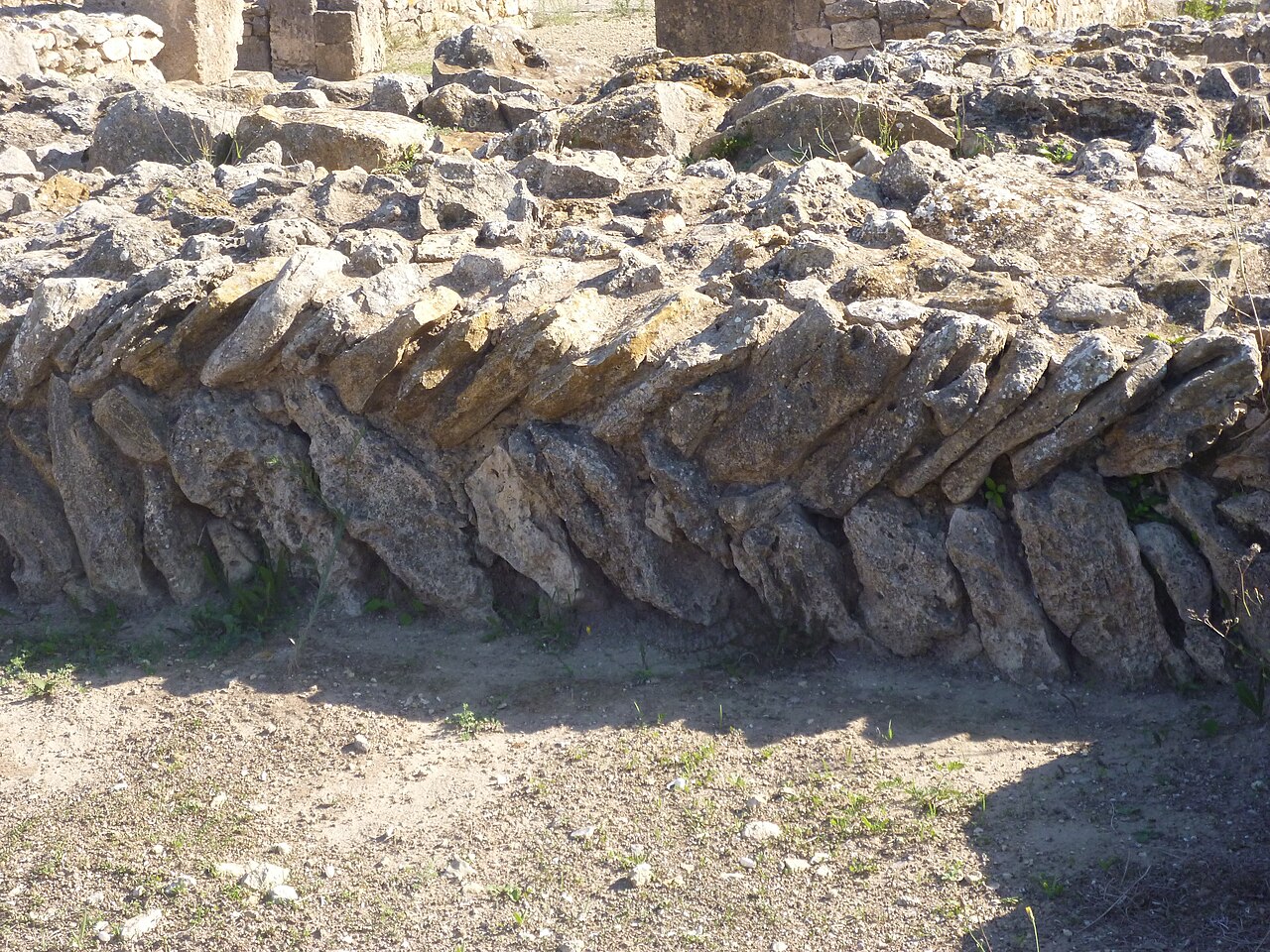
From the 8th to 3rd century BC, Carthage built the largest maritime commercial empire of Antiquity before the Romans. Network of trading posts, colonies and alliances covering Spain, Morocco, Algeria, Tunisia, Libya, Malta, western Sicily, Sardinia, the Balearic Islands.
Tunisia (heart of the empire)
Carthage
Capital of the Punic empire. UNESCO 1979.
Utica
Oldest Phoenician colony in Africa. Became capital of the Roman province of Africa after 146 BC.
Hippo Diarrhytus
Phoenician port on Lake Ichkeul. Ancient name: 'Hippo of the Two Seas'.
Hadrumetus
Became a prosperous city under the Romans.
Kerkouane
Unique city in the world not rebuilt after 146 BC. UNESCO 1985-1986.
Thapsus
Battle of Thapsus (46 BC) between Caesar and the Pompeians.
Leptis Minor
Punic trading post on the Sahel.
Acholla
Punic and Roman remains, mosaics.
Western Sicily
Motya (Motyae)
Punic island-city founded around 720 BC, destroyed by Dionysius of Syracuse in 397 BC. Never rebuilt. Exceptional archaeological site. Statue of the 'Young Man of Motya'. Whitaker Museum on the island.
Lilybaeum (Lilybaeum)
Founded by survivors of Motya. Impregnable fortress, last Punic stronghold in Sicily during the Punic Wars. Fell to the Romans in 241 BC.
Soluntum (Soluntum)
Phoenician then Roman city on the northern coast.
Palermo (Panormos)
Largest Punic trading post in Sicily. 'Every port' (Pan-ormos in Greek).
Sardinia
Tharros
Major Punic trading post. Remarkable archaeological site.
Nora
Oldest Phoenician colony in Sardinia. Nora Stele (the oldest Phoenician inscription in the Western Mediterranean).
Sulci
Phoenician colony, site with tophet and Punic necropolis.
Monte Sirai
Punic fortress and hilltop tophet.
Bithia
Phoenician trading post on the southern coast.
Othoca
Punic city on the western coast.
Spain
Gadir (Cadiz)
Oldest city in Western Europe. Founded 290 years before Rome. Worship of Melqart (Hercules). Archaeological museum with unique Punic anthropoid sarcophagi.
Qart Hadasht
Founded by Hasdrubal the Handsome to exploit silver mines. Hannibal's siege in 219 BC (starting point towards the Alps). Taken by Scipio in 209 BC.
Malaca (Málaga)
Important Phoenician trading post. Etymology 'salting'.
Sexi (Almuñécar)
Phoenician colony, necropolises and tophet.
Abdera (Adra)
Phoenician trading post on the Mediterranean coast.
Ebusus (Ibiza)
Founded by the Carthaginians (not by direct Phoenicians). Largest Punic necropolis in the world: Puig des Molins (3,000 tombs). Important island for salt and purple dye.
Morocco
Lixus
Oldest Phoenician colony in Africa according to Pliny. Considered the 'Garden of the Hesperides' by the Ancients.
Mogador (Essaouira)
Phoenician trading post on the neighbouring island. Production of purple dye.
Tangier
Punic trading post at the Strait of Gibraltar.
Tetuan
Phoenician trading post.
Balearic Islands and Malta
Mahón
Punic trading post. Origin of the name 'mayonnaise' according to legend.
Mdina (Melite)
Phoenician colony on Malta. Later a Roman city.
Ras il-Wardija
Punic sanctuary on the island of Gozo.
Libya
Leptis Magna
Phoenician colony that became a major Roman city (UNESCO). Birthplace of Emperor Septimius Severus.
Sabratha
Phoenician trading post then Roman city UNESCO.
Tripoli
Current capital of Libya, Phoenician foundation.
The Punic Wars (264-146 BCE)
264 — 146 BCE · 118 years of conflict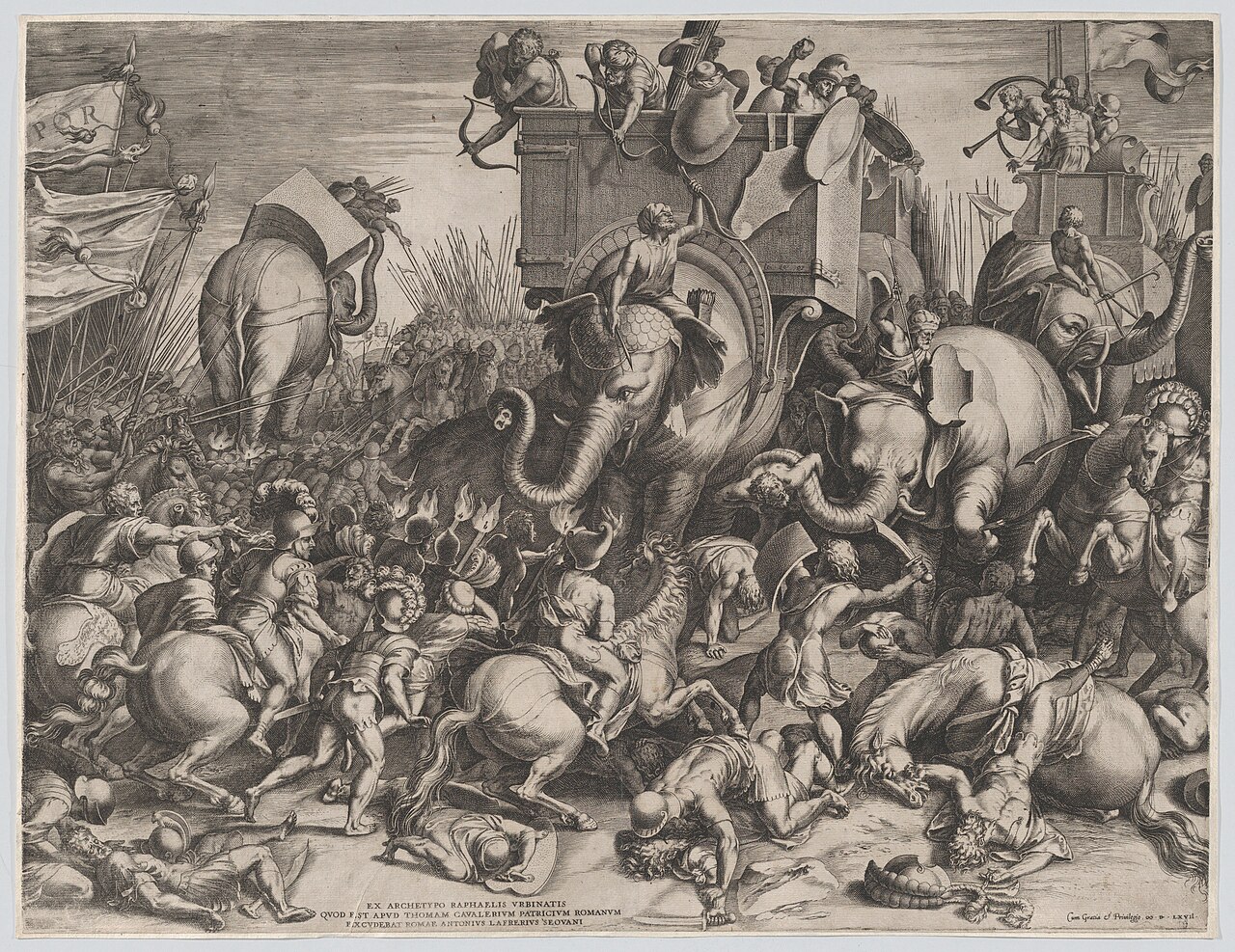
Three decisive conflicts between Carthage and Rome for control of the western Mediterranean. These wars marked the birth of Rome as an imperial power and the end of the Carthaginian empire. Cato's hatred expressed in 'Carthago delenda est' ('Carthage must be destroyed') tragically concluded this rivalry.
First Punic War
264-241 BCE · 23 years · Primarily SicilyCause: Request for aid from the Mamertines of Messina. First clash of the two powers.
Key events
- 264: Rome lands in Sicily, conflict begins
- 260: Naval Battle of Mylae — Rome's first naval success (corvus)
- 256: Battle of Cape Ecnome — greatest naval battle of antiquity (300 quinqueremes)
- 256: Regulus lands in Africa, defeated at Tunis (255)
- 241: Naval Battle of the Aegates Islands — Carthaginian defeat
- 241: Treaty of Lutatius — Carthage cedes Sicily to Rome, pays 3,200 talents
Consequence: Loss of Sicily (became 1st Roman province), Corsica-Sardinia (238). Economic weakening. Mercenary revolt (240-237) crushed by Hamilcar Barca.
Second Punic War
218-201 BCE · 17 years · Spain, Italy, AfricaCause: Hannibal attacks Saguntum (Rome's ally) in 219 BCE. Rome declares war.
Key events
- 218: Hannibal crosses the Alps (50,000 men, 9,000 cavalry, 37 elephants)
- 218: Battles of the Trebia and Ticinus — Hannibal's first victories in Italy
- 217: Battle of Lake Trasimene — 30,000 Romans killed
- 216: Battle of Cannae — 50,000 Romans killed in one day, Rome's greatest massacre
- 211: Hannibal at the gates of Rome ('Hannibal ad portas')
- 209: Scipio takes Cartagena in Spain
- 207: Battle of the Metaurus — Hasdrubal Barca killed
- 204: Scipio lands in Africa
- 203: Hannibal recalled from Italy
- 202: Battle of Zama — Scipio defeats Hannibal in Tunisia
- 201: Peace Treaty: Carthage loses Spain, pays 10,000 talents over 50 years
Consequence: Carthage permanently loses its overseas empire. Rome becomes master of the western Mediterranean. Hannibal continues his domestic reforms policy, then exile in 195.
Third Punic War
149-146 BC · 3 years · AfricaCause: Carthage attacks Numidian King Massinissa (Rome's ally). Cato the Elder declares 'Carthago delenda est' at the end of each Senate speech.
Key events
- 149: Rome declares war. Siege of Carthage.
- 147: Scipio Aemilianus (adopted grandson of Scipio Africanus) takes command
- 146: Capture of Carthage after 6 days of street fighting. Massacre of survivors. According to tradition, Scipio razed the city and sowed salt so it would never rise again.
Consequence: Total destruction of Carthage. Creation of the Roman province of Africa Proconsularis. End of political Punic civilisation (but Punic language survives until the 5th century AD). The Liby-Phoenicians were largely spared.
Hannibal Barca (247-183 BC)
247 — 183 BC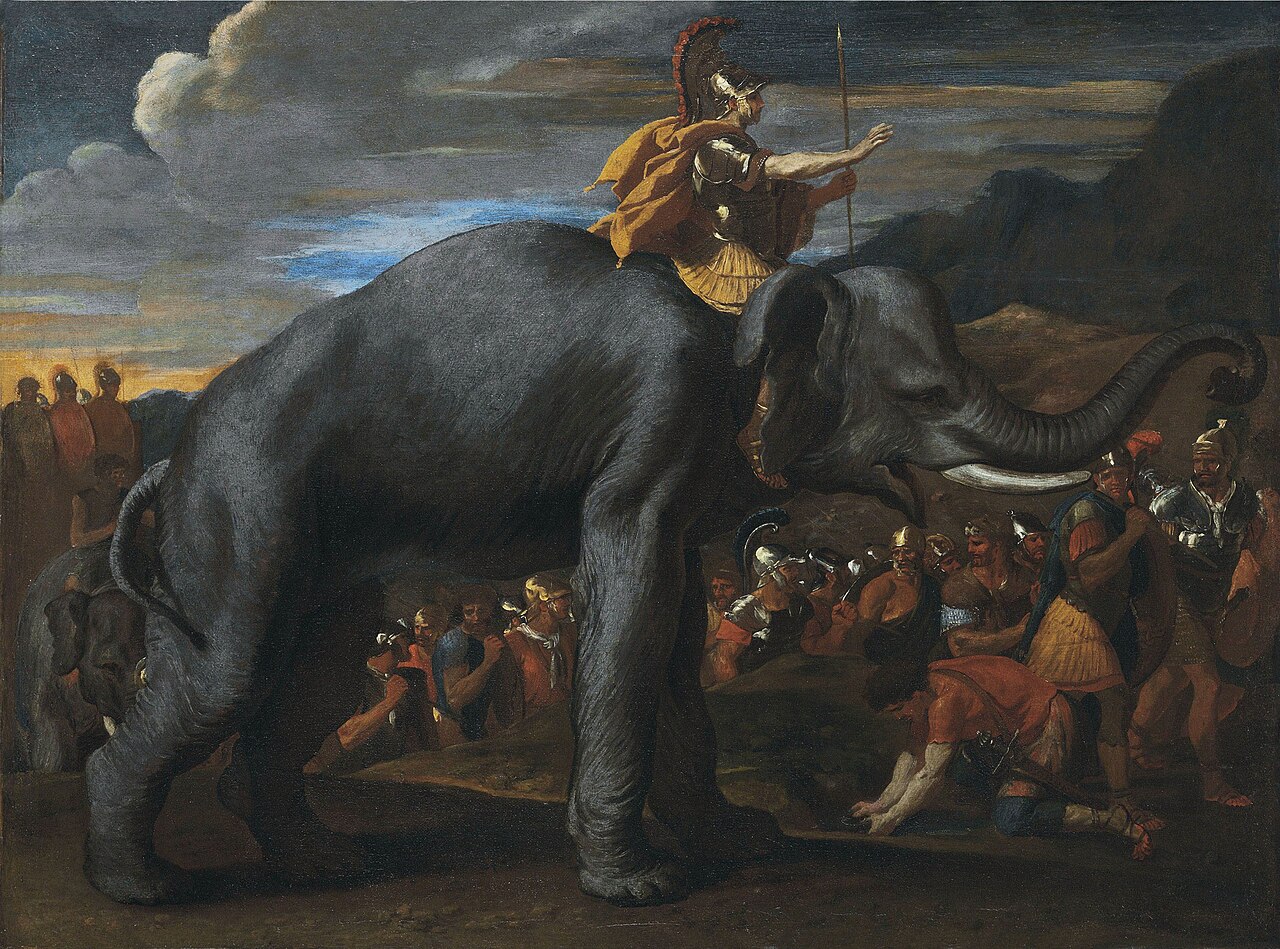
Hannibal Barca is unanimously regarded as one of the greatest military strategists of all time. His tactical audacity, strategic intelligence and charisma inspired generations of military commanders — from Napoleon to Patton. His crossing of the Alps with his elephants remains one of the most extraordinary military exploits of Antiquity.
Life and campaigns
Childhood (247-237 BC)
Born in Carthage in 247 BC, son of General Hamilcar Barca. At age 9, his father made him swear eternal hatred of Rome before the altars of Baal Hammon.
Spain (237-218 BC)
Follows his father to Spain from 237 BC. Learns the military arts. Following the death of Hamilcar (228) and his brother-in-law Hasdrubal the Handsome (221), he is elected commander-in-chief of Carthaginian armies in Spain at age 26. Conquers the peninsula up to the Ebro.
Crossing the Alps (218 BC)
Departed from Cartagena in April 218 with 50,000 infantry, 9,000 cavalry and 37 African elephants. Crosses the Pyrenees, Languedoc, the Rhône (at Beaucaire), then the Alps in 5 months. Arrives in Italy with 26,000 surviving men. An unprecedented logistical and military feat.
Italy (218-203 BC)
16 years in Italy without reinforcements or support from Carthage. Crushing victories: Trebia (218), Lake Trasimene (217), Cannae (216, 50,000 Romans killed). 'Hannibal at the gates' before Rome (211). But cannot take the city. Fabius Cunctator's Roman strategy of attrition. Scipio Africanus reclaims Spain, lands in Africa. Hannibal is recalled.
Zama and after (202-195 BC)
Battle of Zama (202 BC) — defeat against Scipio Africanus. Hannibal's first lost battle. Returns to civil politics in Carthage: elected suffete (196), reforms the State, fights oligarchic corruption. Rome demands his extradition. He flees into exile in 195.
Exile and death (195-183 BC)
Takes refuge at the court of Antiochus III (Seleucids), then of Bithynian King Prusias I. Continues to advise Rome's enemies militarily. When Rome demands his extradition, he prefers suicide by poisoning at Libyssa (Bithynia, present-day Turkey) in 183 BC at age 64.
Military legacy
Carthaginian heritage today
Today · 12 major sitesDespite the destruction of 146 BC, exceptional archaeological heritage survives, mainly in Tunisia and in regions colonised by the Punics in the western Mediterranean. UNESCO has inscribed Carthage and Kerkouane on the World Heritage list.
Major sites to visit
Tophet of Salammbô · Punic Ports · Byrsa Hill · National Museum of Carthage
Punic city not rebuilt after 146 BC · Atrium houses · Clay bathtubs · Paving
Oldest Phoenician colony in Africa · Punic remains beneath the Roman city · Cascade Houses
Punic island city preserved · Statue of the Young Man · Tophet · Walls · Whitaker Museum
Oldest city in Europe · Punic anthropoid sarcophagi · Treasure of Cerro del Trigo · Provincial archaeological museum
Founded by Hasdrubal · Roman theatre · Archaeological museum · Casa de la Fortuna
Necropolis of Puig des Molins (3,000 Punic tombs) · Bust of the goddess Tanit
Major Punic trading post · Tophet · Punic walls · Temples
Oldest Phoenician colony in Sardinia · Stele of Nora (the oldest Phoenician inscription in the western Mediterranean) · Roman theatre
Tophet · Punic necropolis · Archaeological museum · Early Christian catacombs
Oldest Phoenician colony in Morocco · Punic and Roman remains · Mausoleum
Phoenician then Roman citadel · Domvs Romana · Museum of Punic heritage