Erg Oriental — Sand Dunes
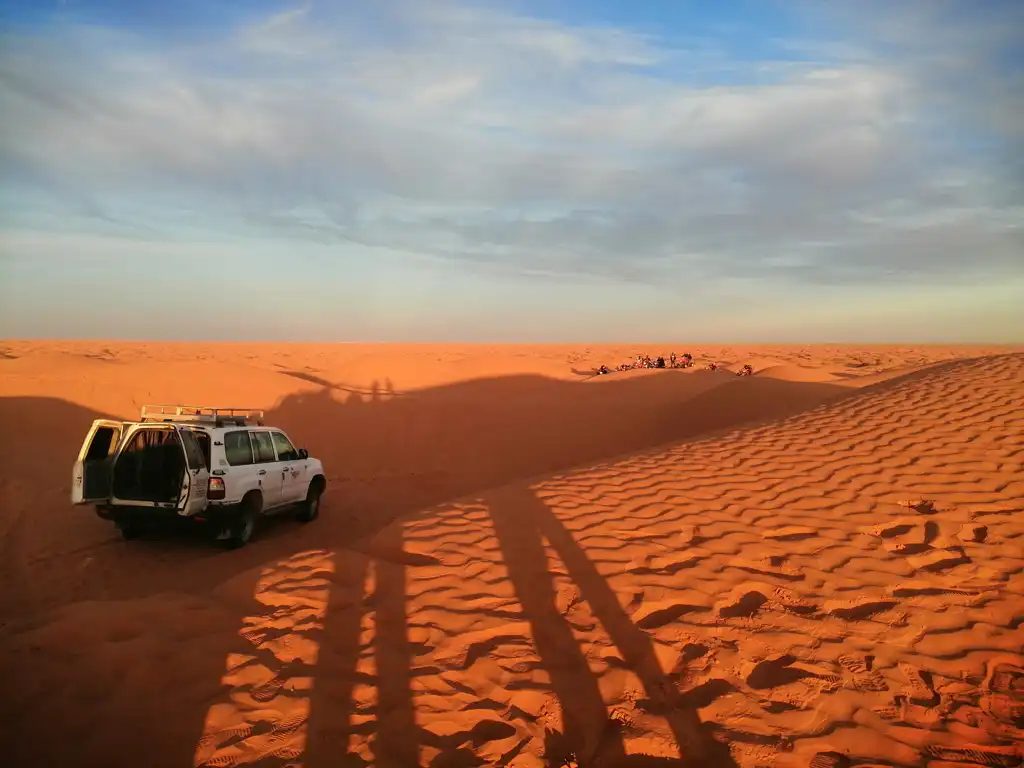
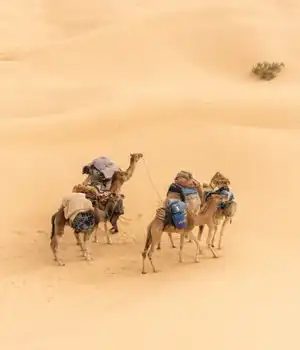
Sea of sand extending from Tunisia to Algeria. Dunes reaching up to 200 m. The most accessible from Tunisia: Ksar Ghilane, Zmela (Douz), Sabria. Legendary sunsets and sunrises.
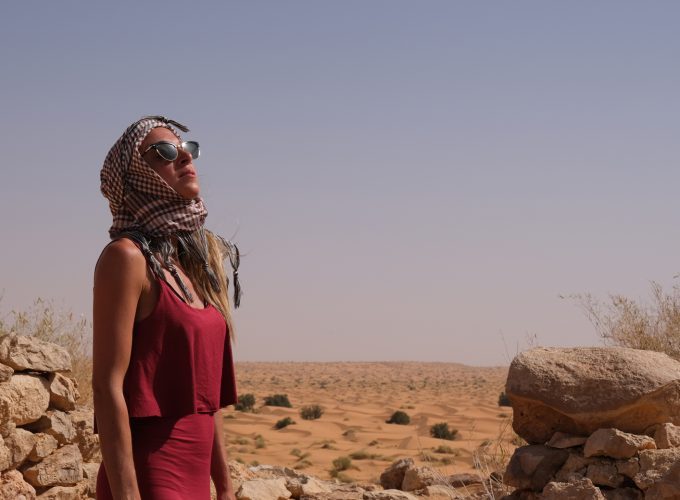
The Tunisian Sahara occupies the southern two-thirds of the country: 1/3 of Grand Erg Oriental (sea of sand), 1/3 of chotts (dried salt lakes) and 1/3 of oases and rocky hamadas.
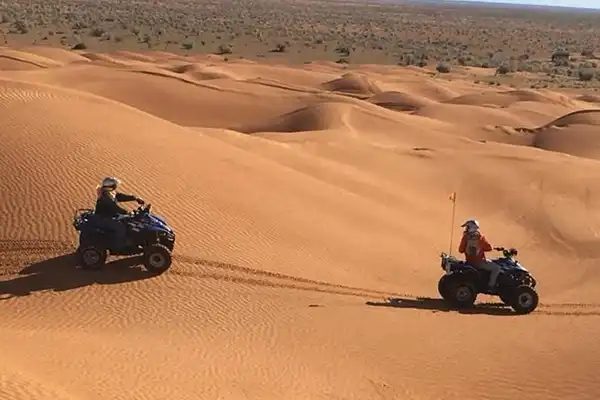
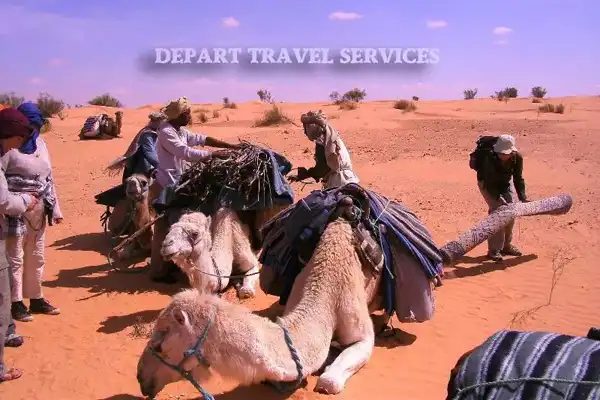
The Tunisian Sahara occupies the southern two-thirds of the country: 1/3 of Grand Erg Oriental (sea of sand), 1/3 of chotts (dried salt lakes) and 1/3 of oases and rocky hamadas. From Djerba, you can reach the gates of the desert (Douz, Ksar Ghilane) in 4 hours and the legendary oases of Tozeur and Nefta in 6 hours. Bivouacking under the stars, camel trekking, 4×4 dune adventures, natural hot springs: the Tunisian desert offers the most accessible Saharan experience in the Maghreb.
The Tunisian Sahara has been inhabited since the Neolithic: rock paintings and engravings from the Tassili bear witness to a time when the region was a verdant savanna inhabited by giraffes, elephants and cattle. Desertification intensified from 3000 BC. The Berbers settled in the oases which they irrigated using foggara systems (underground galleries). Under Rome, fortresses (limes Tripolitanus) protected the southern frontier of the Empire: Tisavar (Ksar Ghilane), Gigthis, Bezereos.
Islam arrived with the Arab conquest (7th century). The oases flourished through trans-Saharan caravan trade: gold from Mali, slaves, ivory, salt from West Africa in exchange for cereals, textiles and pottery from the Maghreb. Tozeur, Nefta and Douz became major stops on trade routes. Sufi brotherhoods (notably the Qadiriyya in Nefta) brought a mystical and tolerant form of Islam. In the 14th century, Ibn Khaldoun described these oases as the 'most beautiful in the inhabited world'.
Saharan tourism was born with European explorers of the 19th century (Duveyrier, Gérard, Foureau). Under the protectorate (1881–1956), French military forces mapped the region and created the first tracks. At independence, Djerba's beach tourism served as a base for Saharan excursions. In 1977, George Lucas filmed 'Star Wars' at Tatooine (Matmata, Tozeur, Onk Jemel). Tourist development accelerated: luxury (Pansea Ksar Ghilane), bivouacs (Zmela Camp), 4×4 adventures. Today, over 500,000 visitors per year explore the Tunisian desert.
8 Must-see Sites Selected by Our Local Team
Sea of sand extending from Tunisia to Algeria. Dunes reaching up to 200 m. The most accessible from Tunisia: Ksar Ghilane, Zmela (Douz), Sabria. Legendary sunsets and sunrises.
The Sahara's largest salt lake (5,000 km²), crossed by the P16 road between Kebili and Tozeur. At sunrise, spectacular mirages and pink reflections. Salt crust cracking beneath your feet.
200,000 palm trees arranged over 3 levels: palms, fruit trees, market gardens. Ancient irrigation system. Ksar Tozeur (clay medina with geometrically carved bricks).
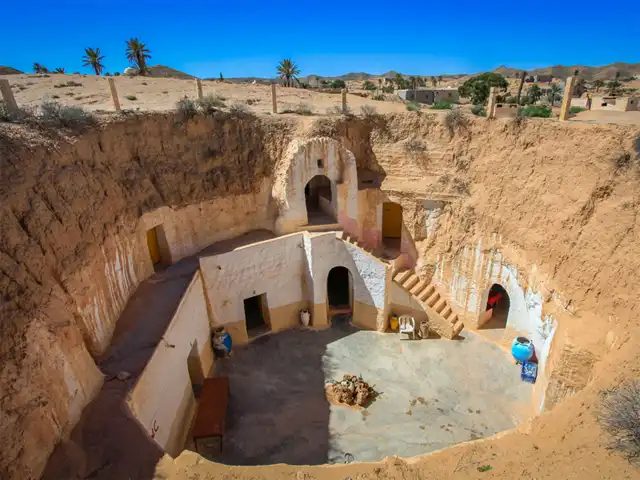
Star Wars Episode I set (Mos Espa, Anakin Skywalker's birthplace). Abandoned clay igloos in the middle of the dunes. 30 km from Tozeur.
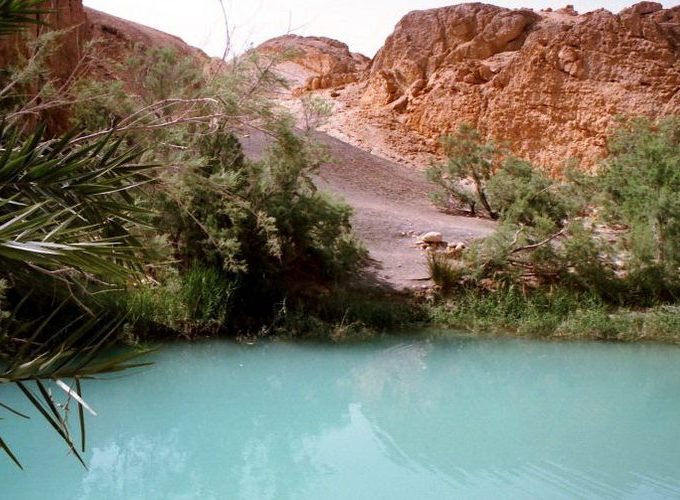
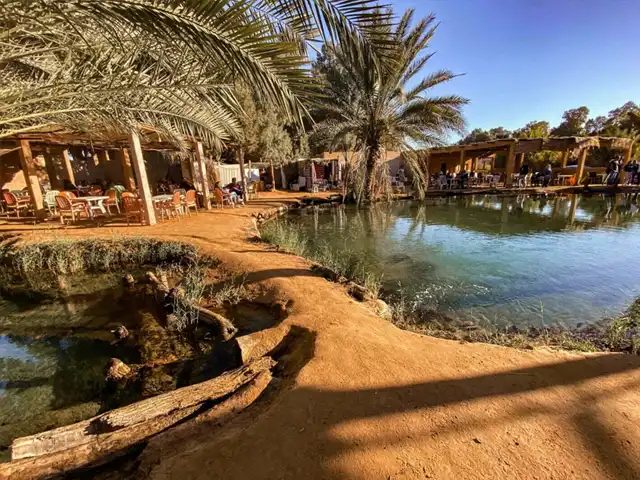
Oasis with natural thermal spring (29 °C) in the heart of the dunes. Roman fort Tisavar (2nd century). Camp Pansea for luxury bivouac.
Capital of the Sahara Festival (December). Thursday morning market (camels, carpets, dates), Sahara museum, camel racing.
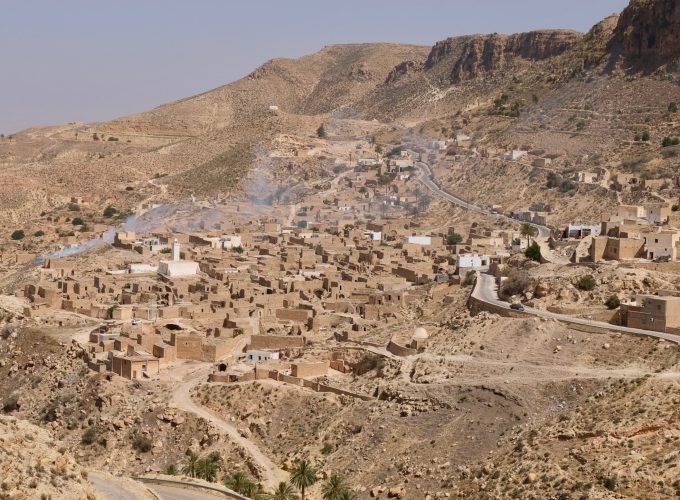
Mountain oasis in the Saharan Atlas: waterfalls, palm groves, abandoned ancient Berber villages. Mirage 1985 was filmed here. Spectacular views.
Sufi sanctuary of the 13th century dedicated to the eponymous saint. Major centre of the qadiriyya brotherhood. Characteristic white domes.
A journey through the eras that shaped the Tunisian Sahara.
Remnant of the Limes Tripolitanus, the fortified defence line of the Roman Empire in North Africa. Rectangular plan 16 × 19 m with 4 corner towers. Garrison commanded by centurions of Legio III Augusta. Abandoned in the 4th century.
Ouled El Hadef district, unique in the world for its architecture in raw clay bricks arranged in geometric patterns (toulchi). Sculpted facades without mortar, remarkable play of shadows and light.
Qadiriyya Sufi sanctuary. Austere architecture typical of oases: thick white walls, domes, square minaret. Active pilgrimage site.
Most impressive ksar in the South: Berber granary-fortress on 4 storeys, 400 ghorfas (grain cells) in clay and stone. Set for Star Wars Episode I.
Africa's most important Saharan festival. Camel races, Berber wedding, traditional dances, fantasia, craft exhibitions over 4 days.
Celebration of date harvest. Date competitions, tastings, popular concerts, parades.
Douz: 4 hours by car (280 km via P19). Tozeur: 6 hours by car (410 km). Organised 2-day/1-night 4×4 excursion with bivouac: €99–180 per person (most popular option). Domestic flight Djerba–Tozeur (3x/week): 1 hour, €100 return.
4×4 essential in the desert (hire €80–120/day with driver). Louages between Douz and Tozeur. Buses rare. Organised excursion strongly recommended for beginners.
Minimum 2 days/1 night (Ksar Ghilane bivouac), ideal 3 days/2 nights (add Tozeur, Onk Jemel, Chott el-Jérid). To explore in depth (Star Wars, mountain oases, Douz festival), allow 5 to 7 days.
October to mid-April: days 20–28 °C, nights 5–12 °C. Absolutely avoid June–August (40–45 °C during the day, sandstorms). The Sahara Festival in late December is one of the best times (entertainment + mild climate).
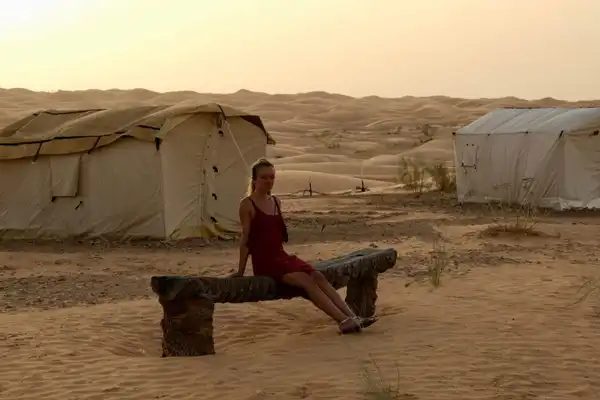
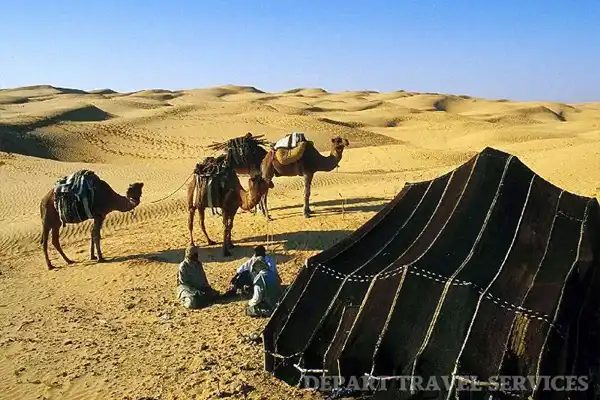
Variable depending on the camp. Standard: Berber tents with mattress and blankets, shared facilities, meals around the fire. Luxury (Pansea, Anantara, Hôtel du Désert): equipped tents with bed, bathroom, gourmet restaurant. Book 1-2 months in advance.
From age 6 recommended. 4×4s are bumpy, temperatures change quickly, distances are long. Prefer 1 night at Ksar Ghilane (safe, swimmable spring) rather than full circuit for young children.
Yes in the oases (Tozeur, Douz, Nefta), partial at Ksar Ghilane (3G), none in the deep dunes. WiFi available in most hotels.
From €99 in a group (transport, standard bivouac, 1 dinner + 1 breakfast). €180–280 privately with comfort car. Luxury (4* hotels + Pansea camp): €400 and up. Compare agencies.
10 hotels · 17 guest houses · 4 desert camps · from 5★ palace to traditional bivouacs.
📍 Tozeur
93 suites and villas (some with private pool) · Berber and Moorish heritage · 3 pools · spa · yoga · tennis.
📍 Tozeur
50 desert-inspired villas · 8-room spa · indoor and outdoor pool · panoramic views of the Sahara.
📍 Tozeur
Ochre brick architecture · pool · wellness centre · palm grove views.
📍 Tozeur
Traditional red brick architecture · oasis charm · heart of the Jérid.
📍 Tozeur
143 rooms + 82 bungalows · indoor and outdoor pool · close to town centre.
📍 Tozeur
Central traditional hotel · 5 mins from the historic palm grove.
📍 Tozeur
Riad with garden and bar · private entrance · old Djerba charm.
📍 Tozeur
Traditional riad style in the medina · authentic décor.
📍 Tozeur
Small guesthouse in the heart of the medina · family welcome.
📍 Tozeur
Traditional architecture · shaded interior courtyard.
📍 Tozeur
Charming small hotel · authentic Jérid décor.
📍 Tozeur
Riad-style in the medina · refined Maghrebi ambiance.
📍 Tozeur
Guesthouse in the heart of the oasis · pool and garden · home cooking.
📍 Douz
Saharan immersion · departure point for Ksar Ghilane, Matmata · pool · shopping centre.
📍 Douz
Central hotel · pool · near the camel market.
📍 Douz
In the heart of the palm grove · authentic Saharan ambiance.
📍 Douz
Standard category hotel · departure point for desert excursions.
📍 Ksar Ghilane
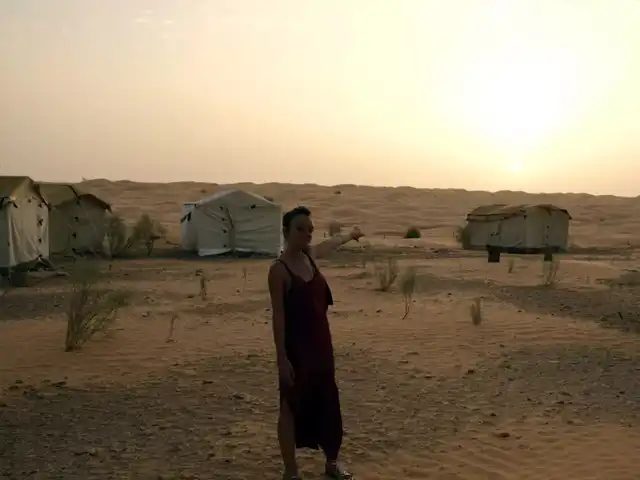
Fixed bivouac in the heart of the desert · natural hot spring bath · heated pool · relaxation area.
📍 Ksar Ghilane
High-end Berber tents · refined décor · thermal spring · night under the stars.
📍 Ksar Ghilane
Bivouac with pool, restaurant · direct access to thermal spring and dunes.
📍 Ksar Ghilane
Friendly camp · traditional cuisine · departure for 4×4 excursions.
Our local team designs your ideal Tunisian Sahara programme. Private car or group place, the cheapest on the market.